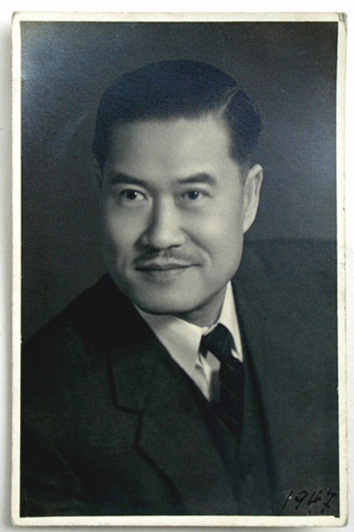
 陈衍桐个人肖像(1947年拍摄)
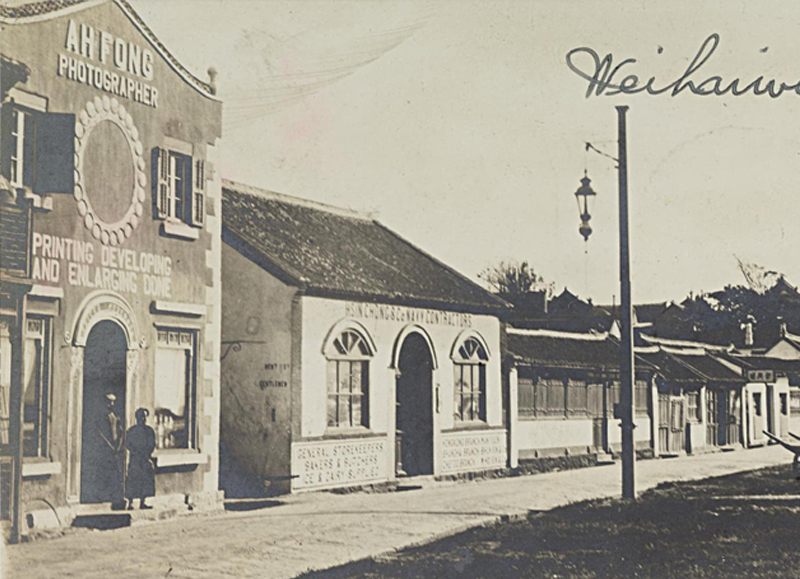 陈衍桐在威海的摄影工作室外景/AHFONG PHOTOGRAPHER/亞豐 (1920-1930年代)
 1937年他在上海制作相册110页《日本对上海入侵》 “The Sino-Japanese Hostilities 1937”
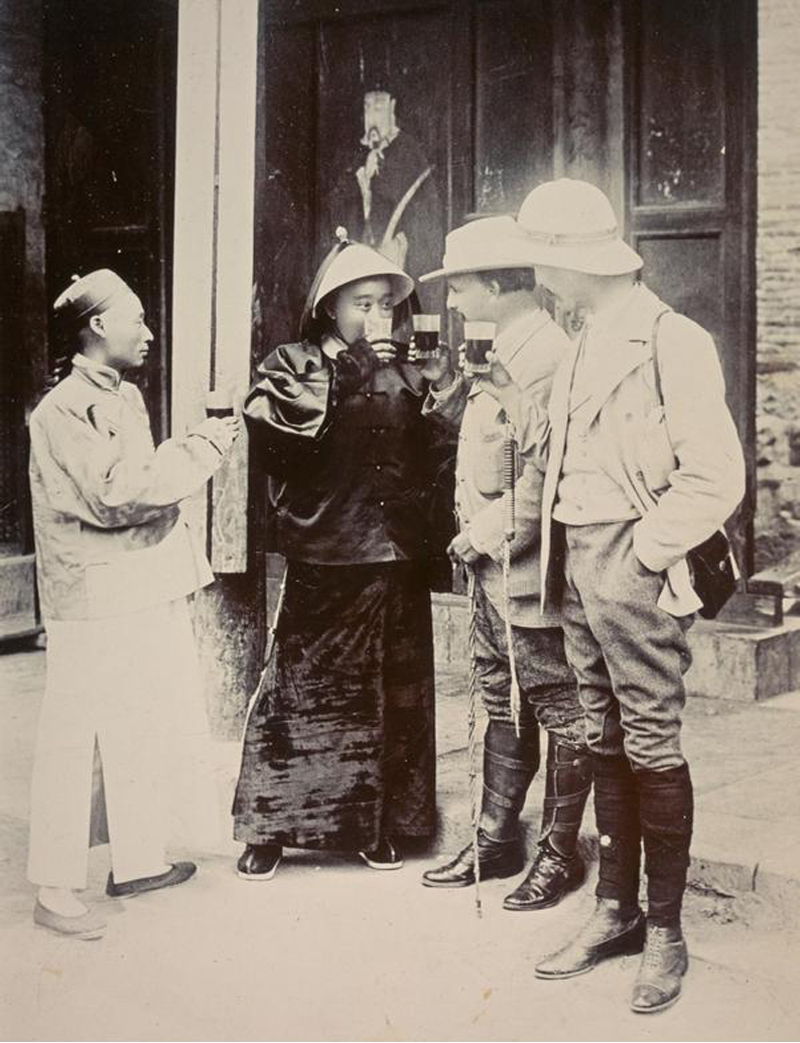 名称: Best wishes/问候(山东曲阜)
类别: Collodion Printing/火棉胶照片
日期: 1914
尺寸: 14x20cm
Note:Duke Kong Greeting Sir James Haldane Stewart Lockhart(原标题)
 名称: Great Wall of China/长城
类别: Gelatin Silver Print/银盐照片
日期: 1920
尺寸: 18x23cm
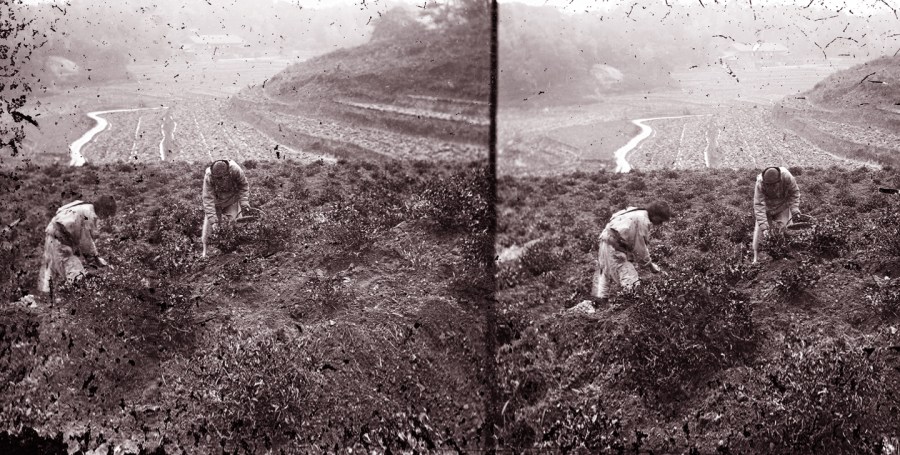
 名称 Qingdao Rural Family/青岛农家
类别: Gelatin Silver Print/银盐照片
日期: 1920
尺寸: 18x23cm
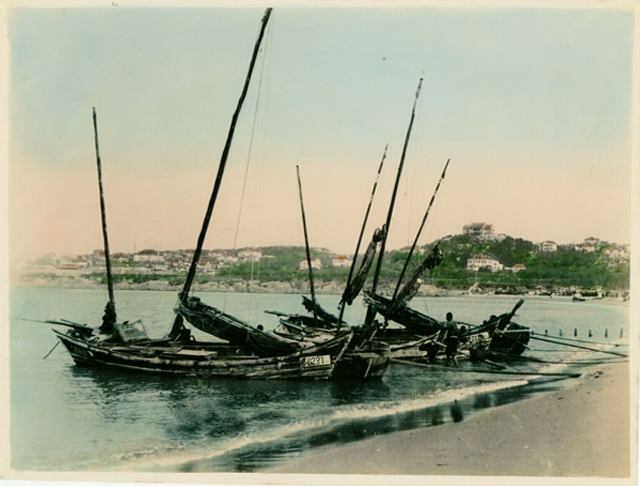 名称: Qingdao Port/青岛码头
类别: Gelatin Silver Print/银盐照片
日期: 1920
尺寸: 18x23cm
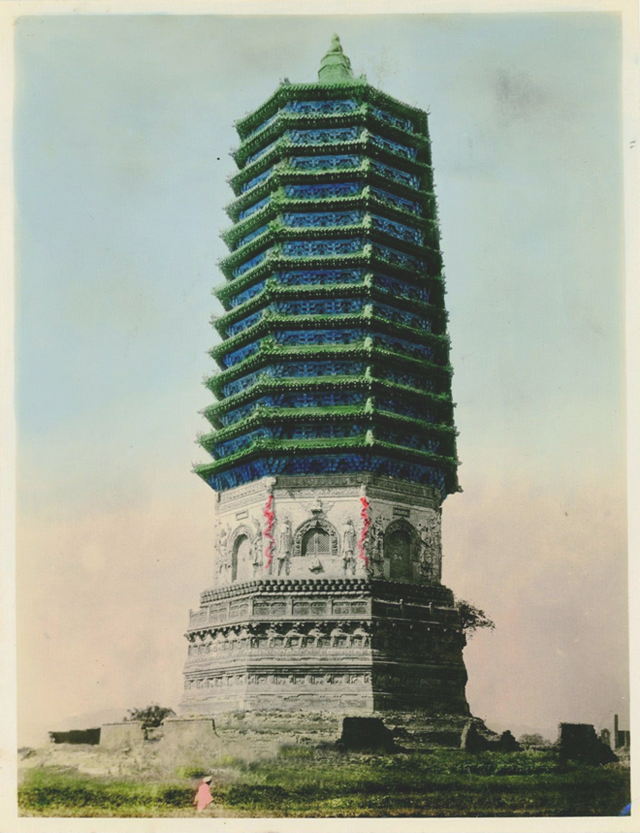 名称: Yongan Wanshou Pagoda, Beijing /北京慈寿寺永安万寿塔
类别: Gelatin Silver Print/银盐照片
日期: 1920
尺寸: 18x23cm
 名称: Overview of the Huangpu River/眺黄浦江全景
类别: Gelatin Silver Print/银盐照片
日期: 1929
尺寸: 28x165cm
备注: 照片有陈衍桐本人签名和拍摄日期(1929年7月17日)
Chen Yantong/Ah-Fong (1895-1953) was born in 1895 in Chikan Village, Nanhai District, Foshan, Guangdong Province. As a teenager, he left his rural hometown and moved to Guangzhou, where he began an apprenticeship in photography. With growing experience and skill, he soon established his own studios. His earliest ventures included the Ah-Fong Studio located at No. 224 Liu-Er-San Road and Di Shi Ba Pu in Guangzhou, as well as the Hollywood Photo Studio in Hong Kong. By the 1930s, he further expanded his business to northern China, opening branches in Shanghai, Weihai, and Yantai (then known as Chefoo), operating under the names Ah-Fung, O.K. Photo Service, or Ah-Fong Studio.
陈衍桐/亚丰(1895-1953),1895年出生于广东省佛山市南海区赤坎村。十几岁时,他离开农村家乡来到广州,开始做摄影学徒。随着经验和技艺的积累,他很快创办了自己的摄影工作室。他最早的事业包括位于广州六二三路224号及第十八甫的 亚丰照相馆(Ah-Fong Studio),以及香港的 荷理活照相馆(Hollywood Photo Studio)。到了20世纪30年代前后,他进一步将业务扩展到中国北方,在上海、威海和烟台(当时称作“芝罘”)都设有分馆,使用的馆名包括 Ah-Fung、O.K. Photo Service 或亚丰照相馆。
Chen’s photographic expertise was highly acclaimed, particularly for his mastery of panoramic and aerial techniques. He excelled at capturing vast landscapes and urban vistas, setting his work apart in the photographic field of his time. One of his most representative works, “Panoramic View of the Huangpu River,” not only demonstrated technical innovation but also reflected his keen observation of the transformations in modern urban China.
During the turbulent years of the Second Sino-Japanese War, Chen’s camera became an important documentary tool. In 1937, while in Shanghai, he produced the photo album “The Sino-Japanese Hostilities 1937,” which recorded the destruction caused by the Japanese invasion. This series of works served both as artistic creation and as historical testimony, deeply reflecting the social and political upheavals of the period.
Through his pioneering vision, Chen Yantong—better known by the studio name Ah-Fong—not only built a significant photographic enterprise across multiple cities but also left behind a valuable visual legacy that continues to shed light on the cultural and historical landscape of early 20th-century China.
陈衍桐的摄影技艺极受推崇,尤其以全景与航拍技术见长。他善于捕捉辽阔的风景与城市景观,其作品在当时摄影界中独树一帜。他的代表作之一是 《远眺黄浦江全景》,不仅展现了技术上的创新,也体现出他对中国现代都市环境变迁的敏锐观察。
在抗日战争爆发的动荡年代,陈衍桐的镜头也成为重要的记录工具。1937年,他在上海制作了影集 《日本对上海入侵》(The Sino-Japanese Hostilities 1937),记录了日军入侵所造成的破坏。这一系列作品既是艺术创作,也是历史见证,深刻反映了当时的社会与政治动荡。
通过其开创性的视野,陈衍桐——更为人熟知的名称是 “亚丰”——不仅在多个城市建立了重要的摄影事业,同时留下了一份宝贵的影像遗产,为20世纪早期中国的文化与历史提供了生动的注脚。
在陈衍桐姨二姐陈转华的记忆里,陈衍桐喜欢摄影到了近乎痴迷的状态,上世纪20年代,他就使用从德国进口的相机拍照。“拍出来的照片都是全景镜头,洗出来之后都要卷着存放”。陈姨说;以前家里最长的照片有1.8米长,挂在客厅里几乎横跨了整个墙面。从留存下来的照片看,陈衍桐拍的多是一些城市风光照和人物照。只可惜58岁(1953年)那年过世,他在广州的三家摄影工作室以及香港的摄影工作室全部停业。 陈衍桐还去过北京,去过杭州,拍下了民初的北京天安门、长城、颐和园和杭州六和塔等。“他是一个喜欢到处采风的人,除了在广州和香港两地跑之外,经常到全国各地拍照。陈姨回忆说;家里存放很多照片里拍的内容他们都没有见过。 因为技术过硬,设备先进,阿芳摄影工作室开始有了名气。“当时住在沙面的外国大使馆的人都专门来找我爸爸拍照,我在家里还见过蒋介石的照片”。陈姨笑说;父亲陈衍桐由此也学会了英语。“我有个表哥以前在我爸爸那里做事,他还调侃跟我说让我回乡下去找找,说不定还能找到很多名画家的真迹”。按照陈姨表哥的说法,一些画家甚至愿意以赠画的形式,请陈衍桐拍个人照。 >>返回>>
 PHOTO影像