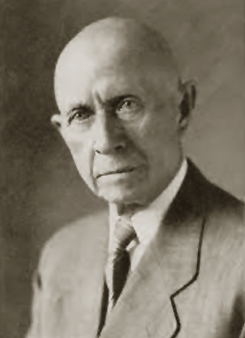
 柏石曼个人肖像
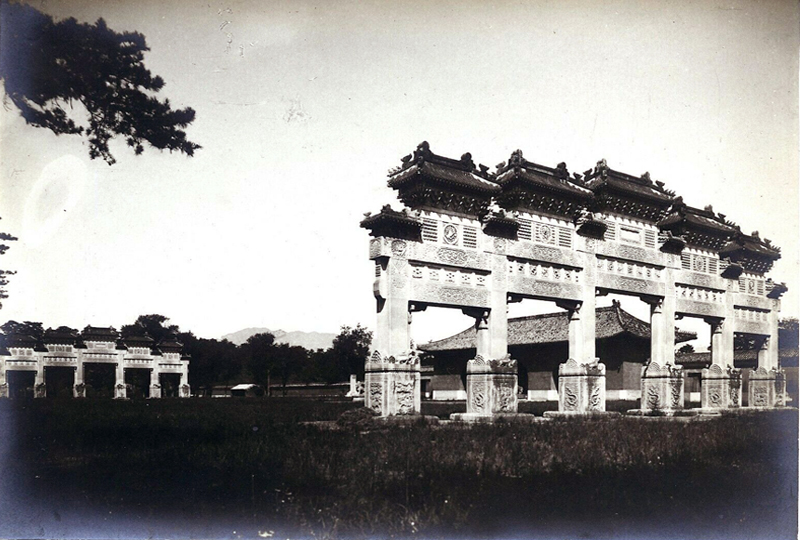 名称: Paifang of the Ming Tombs, Beijing/北京十三陵牌楼
类别: Gelatin Silver Print/银盐照片
日期: 1910s
尺寸: 12x16cm
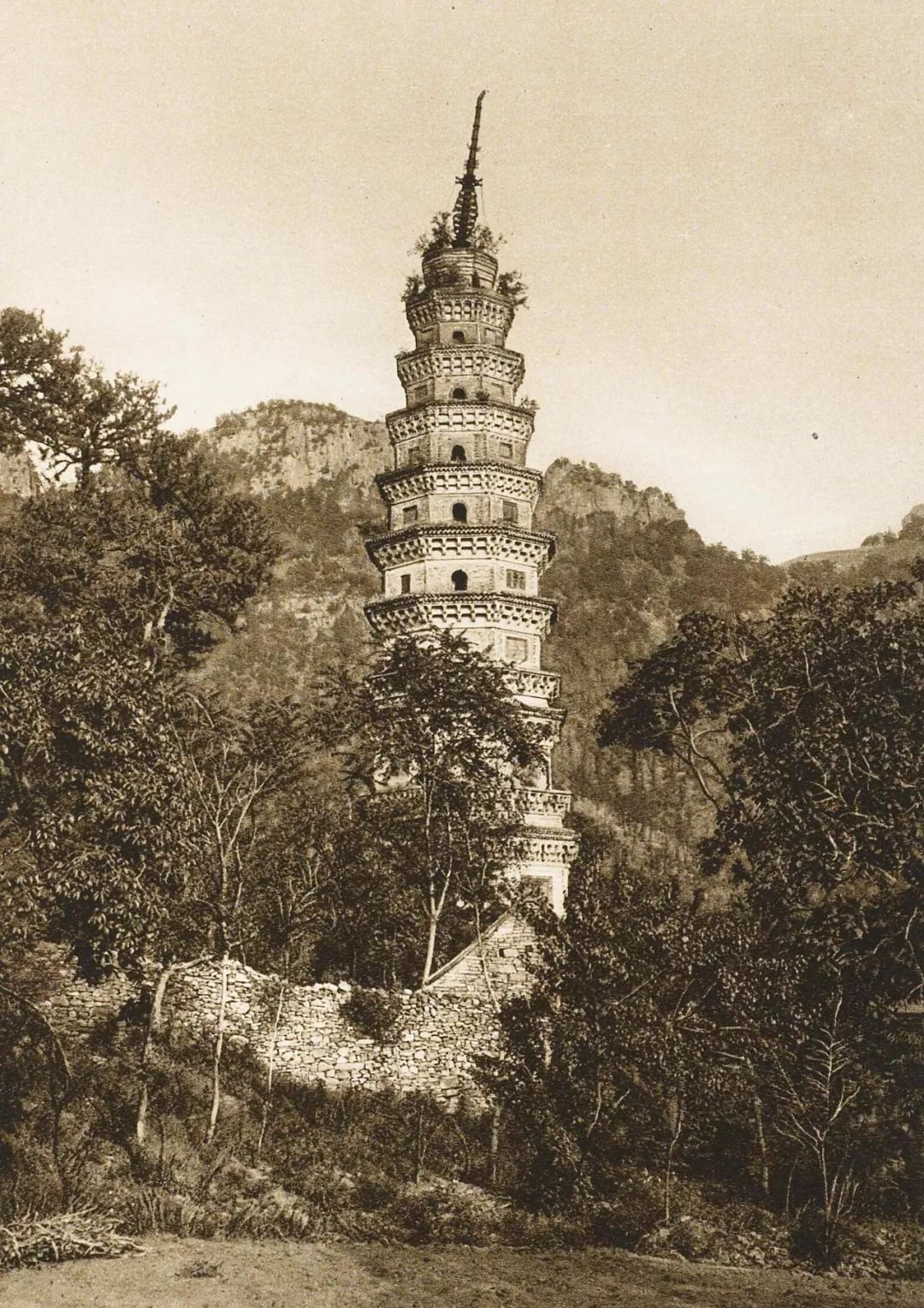 名称: Pizhi Pagoda of Lingyan Temple, Shandong/山东灵岩寺辟支塔
类别: Photogravure/凹版照片
日期: 1900s
尺寸: 15x21cm
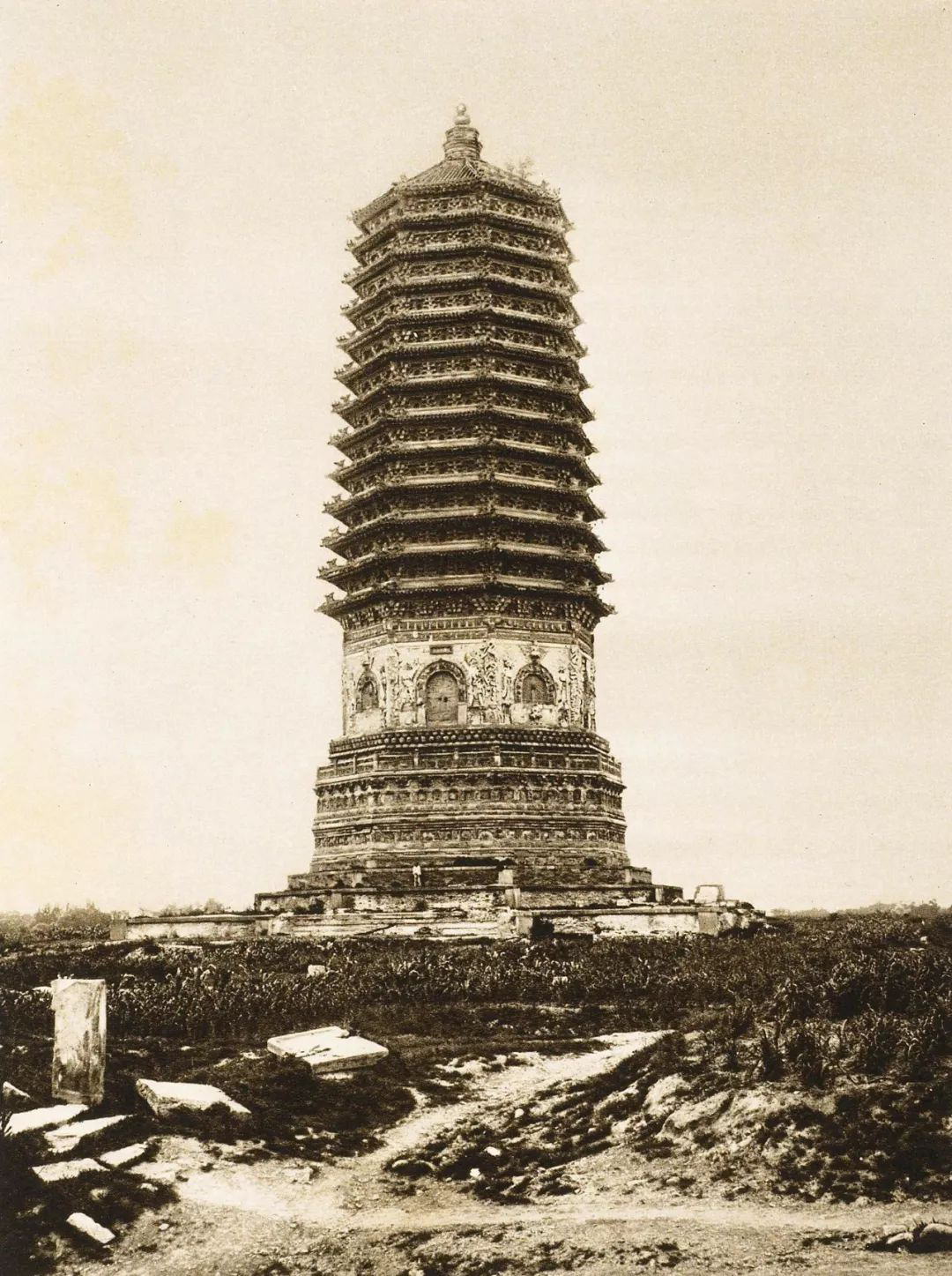 名称: Bali Zhuang Pagoda, Beijing/北京八里庄塔
类别: Photogravure/凹版照片
日期: 1900s
尺寸: 15x21cm
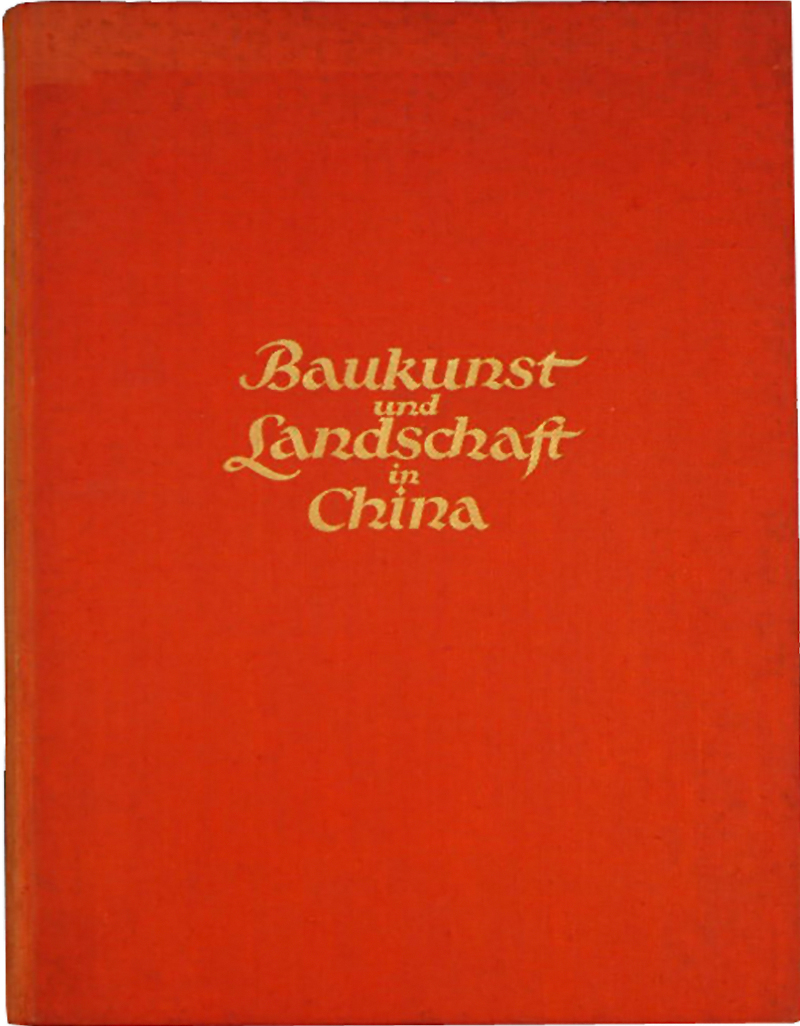 此图片为1923年出版的德文版《中国建筑和景观》 (Baukunst und Landschaft in China)封面, 此书近三百幅精美凹版图片,是柏石曼对中国古建筑进行全面考察和研究的图文集。
Ernst Boerschmann (1873-1949) was a renowned German architect and architectural photographer, recognized as the first foreign scholar to conduct a comprehensive study of Chinese historic architecture. Born in Latvia, he traveled to China in 1902 as an architect with the German forces of the Eight-Nation Alliance via India, which sparked his enduring interest in Chinese architecture. In August 1906, with the support of the German Empire, Boerschmann returned to China as an official scientific advisor to the German Legation in Beijing, with the mission of systematically studying Chinese architectural art.
From 1906 to 1909, he spent four years traversing twelve provinces, documenting thousands of invaluable photographs that captured imperial palaces, religious buildings, and local residential architecture, providing the first comprehensive visual record of China’s architectural diversity and historical heritage. These images hold not only academic significance in the field of architecture but also artistic and cultural value, representing rare historical artifacts. After returning to Germany, Boerschmann compiled his findings into at least six publications on Chinese architecture, among which the 1923 German edition Baukunst und Landschaft in China (Chinese Architecture and Landscapes) featured nearly 300 high-quality collotype plates, serving both as an authoritative academic resource and a remarkable integration of photography and architectural study.
Boerschmann’s works, prized for their scholarly depth and artistic merit, are preserved in major institutions including the Berlin State Museums, the Munich Museum of Architecture, and several museums and private collections in China. Through his lens, European scholars gained for the first time a systematic understanding of China’s monumental and regional architectural styles. His research remains a milestone in the study of Chinese architectural history and continues to provide invaluable resources for architectural photography, cultural exchange, and historical research.
恩斯特·柏石曼(Ernst Boerschmann,1873-1949)是德国著名建筑师和建筑摄影家,被誉为第一位全面考察中国古建筑的外国学者。生于拉脱维亚的他,于1902年以德军八国联军建筑师身份途经印度抵达中国,由此激发了对中国古建筑的浓厚兴趣。1906年8月,柏石曼在德意志帝国政府支持下,以德国驻北京公使馆官方科学顾问身份重返中国,旨在系统考察中国建筑艺术。
1906年至1909年期间,他历时四年,跋山涉水,走遍十二个行省,拍摄数千张珍贵照片,涵盖古代皇家宫殿、宗教建筑及各地民居,首次完整记录了中国建筑的地域风貌和历史面貌。这些影像不仅在建筑学上具有重要参考价值,也因其历史与文化意义而成为艺术珍品。回国后,柏石曼将考察所得系统整理,出版至少六部关于中国建筑的专著,其中1923年出版的德文版《中国建筑和景观》(Baukunst und Landschaft in China)收录近三百幅精美凹版照片,既是学术研究的权威之作,也成为摄影与建筑艺术结合的典范。
柏石曼的作品兼具学术深度和艺术价值,其照片和出版物现被德国柏林国家博物馆、慕尼黑建筑博物馆以及中国多家博物馆和私人收藏机构收藏。通过他的镜头,欧洲学界得以第一次系统了解中国古建筑的宏大体系和地方风格,他的研究成果在中国古建筑史领域具有里程碑意义,也为后世建筑摄影、文化交流和历史研究提供了宝贵资料。 >>返回>>
 PHOTO影像