 名称: 西藏姑娘
类别: 银盐照片
日期: 1908年
尺寸: 11 x 11厘米
备注: 这张银盐照片下方明显有银色反光,尤其在光线下反光更为突出。
名称: 西藏姑娘
类别: 银盐照片
日期: 1908年
尺寸: 11 x 11厘米
备注: 这张银盐照片下方明显有银色反光,尤其在光线下反光更为突出。
 名称: 北京十三陵牌楼
类别: 银盐照片
日期: 1910年代
尺寸: 12 x 16厘米
作者: 恩斯特·柏石曼
描述: 恩斯特/Ernst Boerschmann(1873-1949年),德国建筑师,1902年他作为八国联军德军的建筑师来到中国,1904年回国。1906-1909年期间他得到德国政府支持,游历了中国12个省,拍下了数千张皇家建筑、宗教建筑和典型民居等照片,在1923年他出版《中国的建筑与景观》(Baukunst und Landschaft in China)摄影集。
备注:这张银盐照片下方明显有银色反光。
名称: 北京十三陵牌楼
类别: 银盐照片
日期: 1910年代
尺寸: 12 x 16厘米
作者: 恩斯特·柏石曼
描述: 恩斯特/Ernst Boerschmann(1873-1949年),德国建筑师,1902年他作为八国联军德军的建筑师来到中国,1904年回国。1906-1909年期间他得到德国政府支持,游历了中国12个省,拍下了数千张皇家建筑、宗教建筑和典型民居等照片,在1923年他出版《中国的建筑与景观》(Baukunst und Landschaft in China)摄影集。
备注:这张银盐照片下方明显有银色反光。
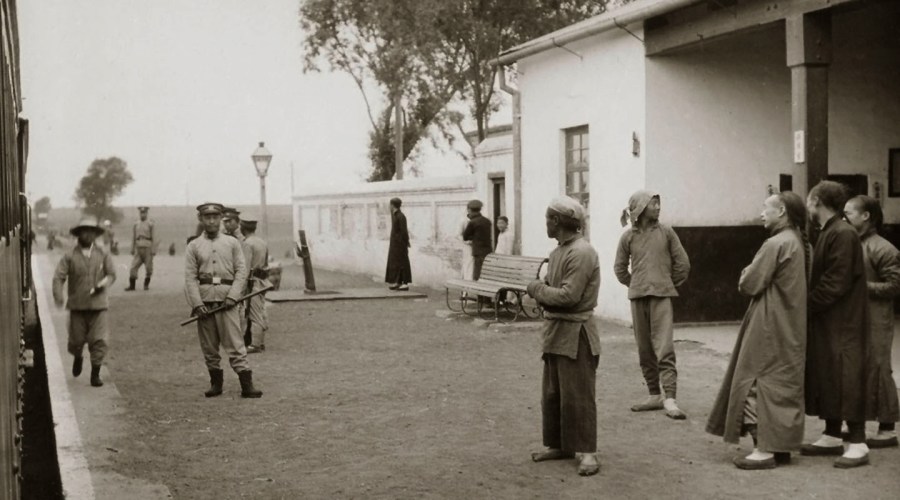
 名称: 沈阳皇姑屯火车站
类别: 银盐照片
日期: 1910年代
尺寸: 15 x 22厘米
名称: 沈阳皇姑屯火车站
类别: 银盐照片
日期: 1910年代
尺寸: 15 x 22厘米
 名称: 远眺黄浦江全景
类别: 银盐照片
日期: 1929年7月17日
尺寸: 28 x 165厘米
作者: 陈衍桐
备注: 陈衍桐/AH-FONG Studio(1895-1953), 1895年出生在广东省丹灶镇仙岗社区赤坎村(位于佛山市南海区西部),十几岁就从乡下来到广州做摄影学徒。后来,他创办了广州六二三路224号、广州第十八甫、香港的荷理活、以及上海和山东威海等诸多摄影工作室(亚丰/阿芳AH-FONG Studio)。他拍摄技术精湛,尤其是擅长180度全景航拍,“远眺黄浦江全景”是他代表作品之一。
名称: 远眺黄浦江全景
类别: 银盐照片
日期: 1929年7月17日
尺寸: 28 x 165厘米
作者: 陈衍桐
备注: 陈衍桐/AH-FONG Studio(1895-1953), 1895年出生在广东省丹灶镇仙岗社区赤坎村(位于佛山市南海区西部),十几岁就从乡下来到广州做摄影学徒。后来,他创办了广州六二三路224号、广州第十八甫、香港的荷理活、以及上海和山东威海等诸多摄影工作室(亚丰/阿芳AH-FONG Studio)。他拍摄技术精湛,尤其是擅长180度全景航拍,“远眺黄浦江全景”是他代表作品之一。
 名称: 小脚女子
类别: 银盐照片
日期: 1920年代
尺寸: 14 x 20厘米
名称: 小脚女子
类别: 银盐照片
日期: 1920年代
尺寸: 14 x 20厘米
 名称: 小脚女子
类别: 银盐照片
日期: 1920年代
尺寸: 14 x 20厘米
名称: 小脚女子
类别: 银盐照片
日期: 1920年代
尺寸: 14 x 20厘米
 名称: 小脚
类别: 银盐照片
日期: 1920年代
尺寸: 14 x 20厘米
名称: 小脚
类别: 银盐照片
日期: 1920年代
尺寸: 14 x 20厘米
 名称: 长城
类别: 银盐照片(手工上色)
日期: 1910年代
尺寸: 14 x 20厘米
名称: 长城
类别: 银盐照片(手工上色)
日期: 1910年代
尺寸: 14 x 20厘米
 名称: 北京前門大街
类别: 银盐照片(手工上色)
日期: 1900年-1910年代
尺寸: 22 x 30厘米
名称: 北京前門大街
类别: 银盐照片(手工上色)
日期: 1900年-1910年代
尺寸: 22 x 30厘米
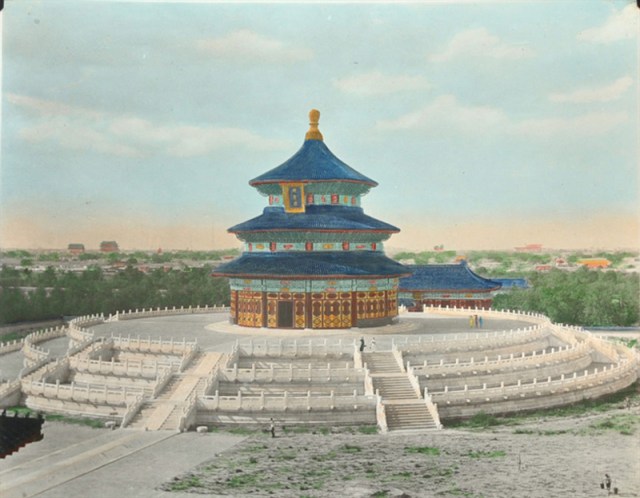 名称: 天坛
类别: 银盐照片(手工上色)
日期: 1910年代
尺寸: 25 x 30厘米
名称: 天坛
类别: 银盐照片(手工上色)
日期: 1910年代
尺寸: 25 x 30厘米
 名称: 紫禁城
类别: 银盐照片(手工上色)
日期: 1910年代
尺寸: 28 x 38厘米
名称: 紫禁城
类别: 银盐照片(手工上色)
日期: 1910年代
尺寸: 28 x 38厘米
 名称: 北京前門
类别: 银盐照片
日期: 1900年-1910年代
尺寸: 22 x 30厘米
名称: 北京前門
类别: 银盐照片
日期: 1900年-1910年代
尺寸: 22 x 30厘米
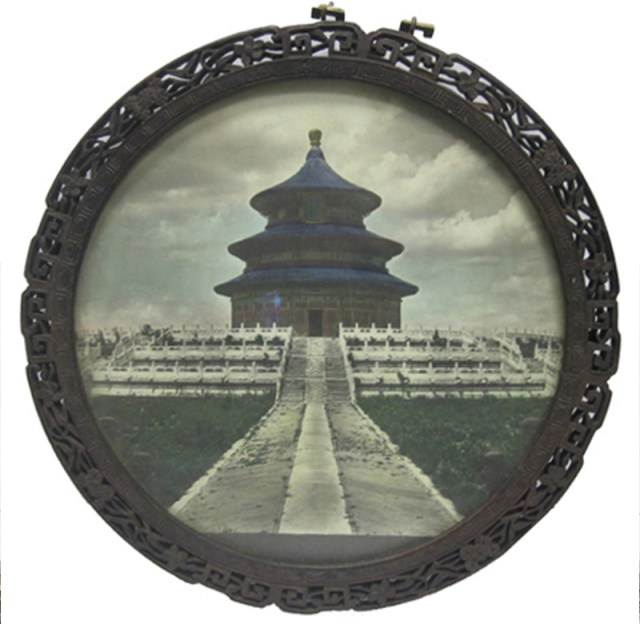 名称: 天坛
类别: 银盐照片(手工上色)
日期: 1910年代
尺寸: 20 x 20厘米
备注: 原装橡木外框。
名称: 天坛
类别: 银盐照片(手工上色)
日期: 1910年代
尺寸: 20 x 20厘米
备注: 原装橡木外框。
 名称: 天坛
类别: 银盐照片
日期: 1910年代
尺寸: 28 x 38厘米
名称: 天坛
类别: 银盐照片
日期: 1910年代
尺寸: 28 x 38厘米
 名称: 故宫系列
类别: 银盐照片(手工上色)
日期: 1910年-1920年代
尺寸: 20 x 25厘米
名称: 故宫系列
类别: 银盐照片(手工上色)
日期: 1910年-1920年代
尺寸: 20 x 25厘米
 名称: 故宫系列
类别: 银盐照片(手工上色)
日期: 1910年-1920年代
尺寸: 20 x 25厘米
名称: 故宫系列
类别: 银盐照片(手工上色)
日期: 1910年-1920年代
尺寸: 20 x 25厘米
 名称: 故宫系列
类别: 银盐照片(手工上色)
日期: 1910年-1920年代
尺寸: 20 x 25厘米
名称: 故宫系列
类别: 银盐照片(手工上色)
日期: 1910年-1920年代
尺寸: 20 x 25厘米
 名称: 长城
类别: 银盐照片
日期: 1900年-1910年代
尺寸: 14 x 20厘米
名称: 长城
类别: 银盐照片
日期: 1900年-1910年代
尺寸: 14 x 20厘米
 名称: 远眺长城
类别: 银盐照片(手工上色)
作者:哈同照相馆
日期: 1910年代
尺寸: 23 x 28厘米
描述: 哈同照相馆/阿东照相馆(Hartungs)是民国期间北京著名的照相馆,哈同照相馆德国人哈同开设于北京东交民巷,清末民初少数在京的由外国人经营的著名照相馆,代表着当时中国摄影的最高水平。其中1920-1930年前后拍摄了穿行在北京城外的驼队,记录下北京城清末民初最具代表性的景观。阿东照相馆还是外国摄影师在华的重要据点,拍摄或处理过许多中国近代史上的重要影像,如斯诺1936年延安之行的30多个胶卷(其中包括举世闻名的毛泽东头戴八角帽的照片)。在民国期间,阿东照相馆由著名的摄影家赫达•哈默•莫理循主持。
名称: 远眺长城
类别: 银盐照片(手工上色)
作者:哈同照相馆
日期: 1910年代
尺寸: 23 x 28厘米
描述: 哈同照相馆/阿东照相馆(Hartungs)是民国期间北京著名的照相馆,哈同照相馆德国人哈同开设于北京东交民巷,清末民初少数在京的由外国人经营的著名照相馆,代表着当时中国摄影的最高水平。其中1920-1930年前后拍摄了穿行在北京城外的驼队,记录下北京城清末民初最具代表性的景观。阿东照相馆还是外国摄影师在华的重要据点,拍摄或处理过许多中国近代史上的重要影像,如斯诺1936年延安之行的30多个胶卷(其中包括举世闻名的毛泽东头戴八角帽的照片)。在民国期间,阿东照相馆由著名的摄影家赫达•哈默•莫理循主持。
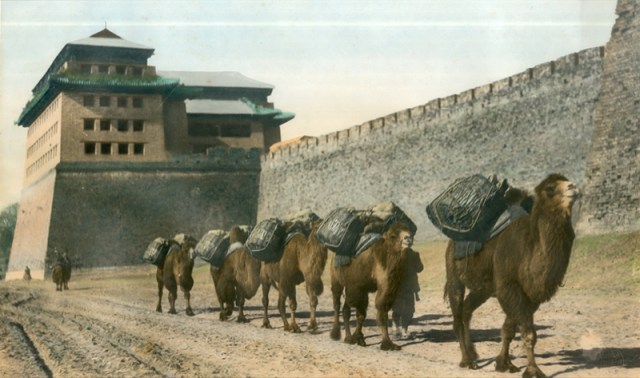 名称: 北京城外的驼队
类别: 银盐照片(手工上色)
作者:哈同照相馆
日期: 1920-1930年代
尺寸: 23 x 35厘米
名称: 北京城外的驼队
类别: 银盐照片(手工上色)
作者:哈同照相馆
日期: 1920-1930年代
尺寸: 23 x 35厘米
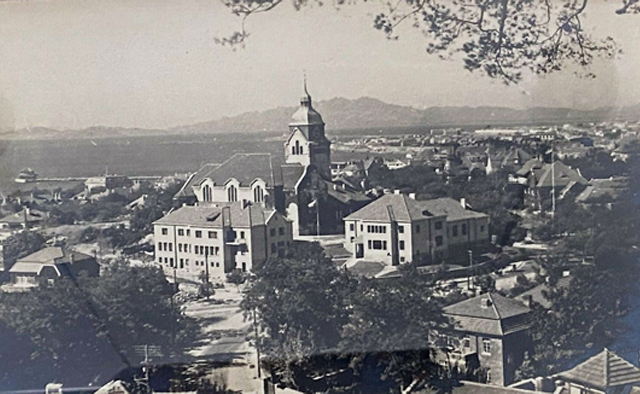 名称: 远眺青岛基督教堂
类别: 银盐照片
作者:佚名摄影师
日期: 1920年代
尺寸: 25 x 35厘米
备注:青岛基督教堂是青岛一著名的宗教建筑,国家重点文物保护单位。教堂由德国胶澳总督府出资1908年4月19日奠基,1910年10月23日落成。该教堂位于青岛市市南区江苏路15号内小山丘上,东邻美丽的信号山公园,在钟楼的楼顶可以远眺大海,十分壮观。
名称: 远眺青岛基督教堂
类别: 银盐照片
作者:佚名摄影师
日期: 1920年代
尺寸: 25 x 35厘米
备注:青岛基督教堂是青岛一著名的宗教建筑,国家重点文物保护单位。教堂由德国胶澳总督府出资1908年4月19日奠基,1910年10月23日落成。该教堂位于青岛市市南区江苏路15号内小山丘上,东邻美丽的信号山公园,在钟楼的楼顶可以远眺大海,十分壮观。
 名称: 北京故宫
类别: 银盐(手工上色)
作者:阿东照相馆
日期: 1920年-1930年代
尺寸: 25 x 40厘米
Gelatin Silver Prints were the dominant photographic process from the period of their introduction in the 1880s until the 1960s when they were eclipsed by consumer color photography. As such, the gelatin silver or black-and-white print represents a rimary form of visual documentation in the 20th century. Their widespread use in pplications as wide-ranging as fine art, snap shots, and document reproduction led to an extraordinary variety of papers with a wide range of available surface texture and gloss, and paper thickness. Gelatin silver print paper was made as early as 1874 on a commercial basis, but was of poor quality, being a dry-plate emulsion that was coated onto paper only as an afterthought. Coating machines for the production of continuous rolls of sensitized paper were in use by the mid-1880s, though widespread adoption of gelatin silver print materials did not occur until the 1890s. The earliest papers had no baryta layer, and it was not until the 1890s that baryta coating became a commercial operation, first in Germany, in 1894, and then taken up by Kodak by 1900. Although the baryta layer plays an important part in the manufacture of smooth and glossy prints, the baryta paper of the 1890s did not produce the lustrous or glossy print surface that became the standard for fine art photography in the twentieth century. Matting agents, textured papers, and thin baryta layers that were not heavily calendered produced a low-gloss and textured appearance. The higher gloss papers first became popular in the 1920s and 30s as photography transitioned from pictorialism into modernism, photojournalism, and “straight” photography.
银盐相纸是美国柯达公司推出最具有划时代意义的摄影革新,包括相机暗盒、暗房放大机。由于银盐相纸的感光度大大增加,银盐照片制作工艺简单,成本低,清晰度高,即使在简陋的条件下也可以冲洗或利用放大机根据需要放大照片尺寸,在社会上得以广泛普及。这时期制作的银盐照片最显著的特点是经过近百年的氧化后照片四边呈现银色反光,尤其是的光线下边角银色反光更为突出。银盐技术最早出现在1874年,直到1900年才被美国柯达公司(Eastman Kodak Company)研发成熟,银盐照片(Gelatin Silver Print)与蛋清照片(Albumen print)相比最大的优点是它能提供简洁快速的操作和提高曝光参数。程序是相机拍摄底片/负片、暗房曝光至相纸、相纸经显影定影冲洗干燥成照片。1900年代美国柯达公司根据市场需要推出不同种类的相纸和药水,还在城市街面上开设很多摄影冲洗店。由于银盐相纸的感光度大大增加,银盐照片制作工艺简单,成本低,清晰度高,即使在简陋的条件下也可以冲洗或利用放大机根据需要任意调整尺寸,所谓的‘快速拍照’(Antique Snapshot Photo)在社会上得以广泛普及。这时期开始出现了不同尺寸,不同冲洗工艺的照片,种类庞杂,全民参与,所以很难一一介绍,从此摄影艺术真正进入了全盛时代,全景照片也开始流行了。 >>返回>>
名称: 北京故宫
类别: 银盐(手工上色)
作者:阿东照相馆
日期: 1920年-1930年代
尺寸: 25 x 40厘米

Gelatin Silver Prints were the dominant photographic process from the period of their introduction in the 1880s until the 1960s when they were eclipsed by consumer color photography. As such, the gelatin silver or black-and-white print represents a rimary form of visual documentation in the 20th century. Their widespread use in pplications as wide-ranging as fine art, snap shots, and document reproduction led to an extraordinary variety of papers with a wide range of available surface texture and gloss, and paper thickness.  Gelatin silver print paper was made as early as 1874 on a commercial basis, but was of poor quality, being a dry-plate emulsion that was coated onto paper only as an afterthought. Coating machines for the production of continuous rolls of sensitized paper were in use by the mid-1880s, though widespread adoption of gelatin silver print materials did not occur until the 1890s. The earliest papers had no baryta layer, and it was not until the 1890s that baryta coating became a commercial operation, first in Germany, in 1894, and then taken up by Kodak by 1900. Although the baryta layer plays an important part in the manufacture of smooth and glossy prints, the baryta paper of the 1890s did not produce the lustrous or glossy print surface that became the standard for fine art photography in the twentieth century. Matting agents, textured papers, and thin baryta layers that were not heavily calendered produced a low-gloss and textured appearance. The higher gloss papers first became popular in the 1920s and 30s as photography transitioned from pictorialism into modernism, photojournalism, and “straight” photography.


银盐相纸是美国柯达公司推出最具有划时代意义的摄影革新,包括相机暗盒、暗房放大机。由于银盐相纸的感光度大大增加,银盐照片制作工艺简单,成本低,清晰度高,即使在简陋的条件下也可以冲洗或利用放大机根据需要放大照片尺寸,在社会上得以广泛普及。这时期制作的银盐照片最显著的特点是经过近百年的氧化后照片四边呈现银色反光,尤其是的光线下边角银色反光更为突出。银盐技术最早出现在1874年,直到1900年才被美国柯达公司(Eastman Kodak Company)研发成熟,银盐照片(Gelatin Silver Print)与蛋清照片(Albumen print)相比最大的优点是它能提供简洁快速的操作和提高曝光参数。程序是相机拍摄底片/负片、暗房曝光至相纸、相纸经显影定影冲洗干燥成照片。1900年代美国柯达公司根据市场需要推出不同种类的相纸和药水,还在城市街面上开设很多摄影冲洗店。由于银盐相纸的感光度大大增加,银盐照片制作工艺简单,成本低,清晰度高,即使在简陋的条件下也可以冲洗或利用放大机根据需要任意调整尺寸,所谓的‘快速拍照’(Antique Snapshot Photo)在社会上得以广泛普及。这时期开始出现了不同尺寸,不同冲洗工艺的照片,种类庞杂,全民参与,所以很难一一介绍,从此摄影艺术真正进入了全盛时代,全景照片也开始流行了。  >>返回>>
 PHOTO影像