Prints/Lithographs are artworks created through repeated transfers. The main types include etching, lithography, silkscreen, and woodcut. Etching uses metal plates and acid to create rich layers; lithography employs limestone and the principle that oil and water repel each other, with 19th-century chromolithographs being particularly exquisite; silkscreen prints are made using a silk mesh and squeegee; woodcut is the oldest printmaking technique, carved directly on wood blocks.
History Printmaking originated in China around the 7th century, used in the Tang dynasty for Buddhist texts and illustrations, and became more diverse in the Song dynasty. In Europe, printmaking emerged in the 15th century, evolving through woodcut, engraving, and lithography, with artists like Albrecht Dürer elevating the technical and artistic standards. Lithography appeared in the late 18th century, followed by silkscreen and modern experimental techniques in the 20th century. Prints serve both as art and as a means of disseminating information.
Categories of Chinese Prints Ancient woodblock prints, Qing and Republic-era folk woodblock and lithographic New Year prints, prints created during the War of Resistance and Liberation War, “Red-themed” prints from the Cultural Revolution, art academy system prints, and limited edition reproductions by oil painters.



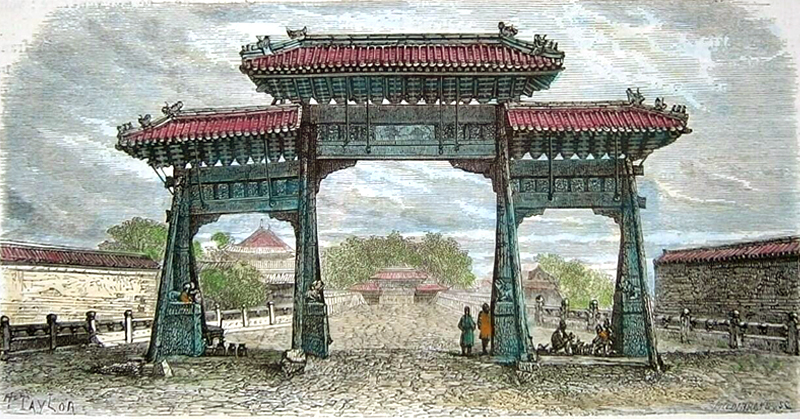
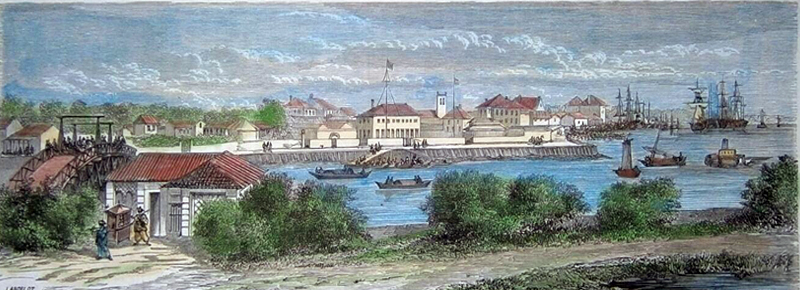
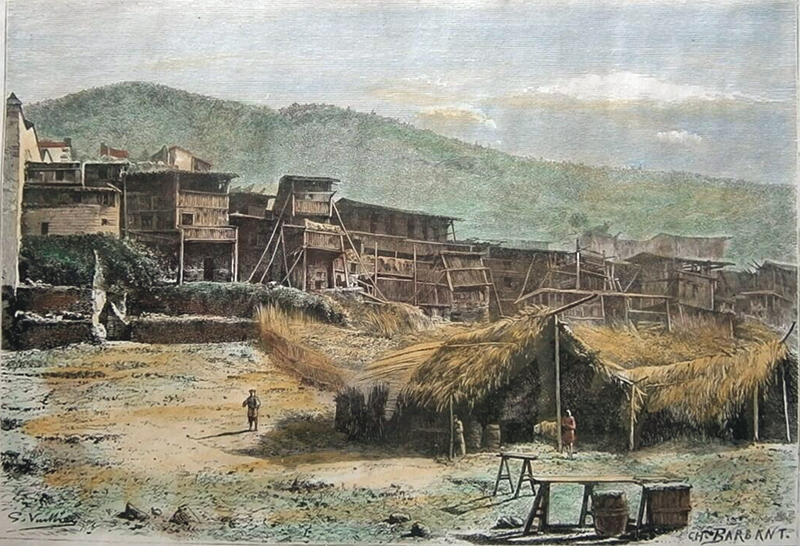
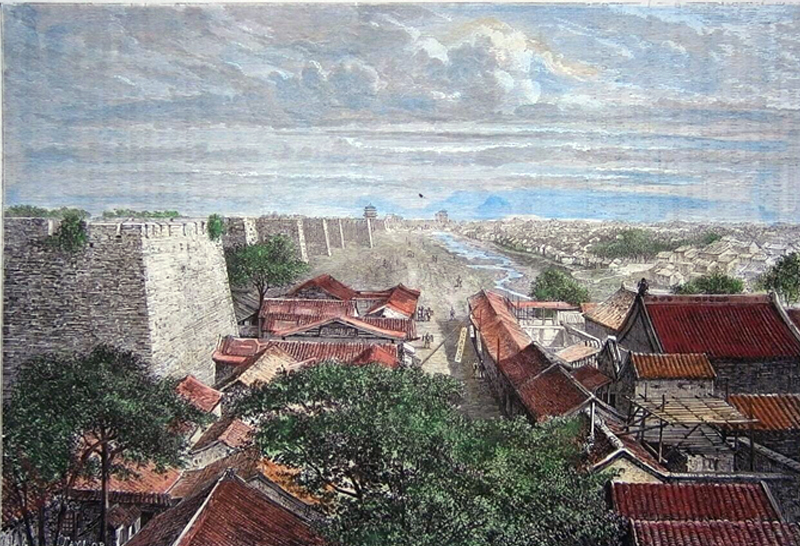
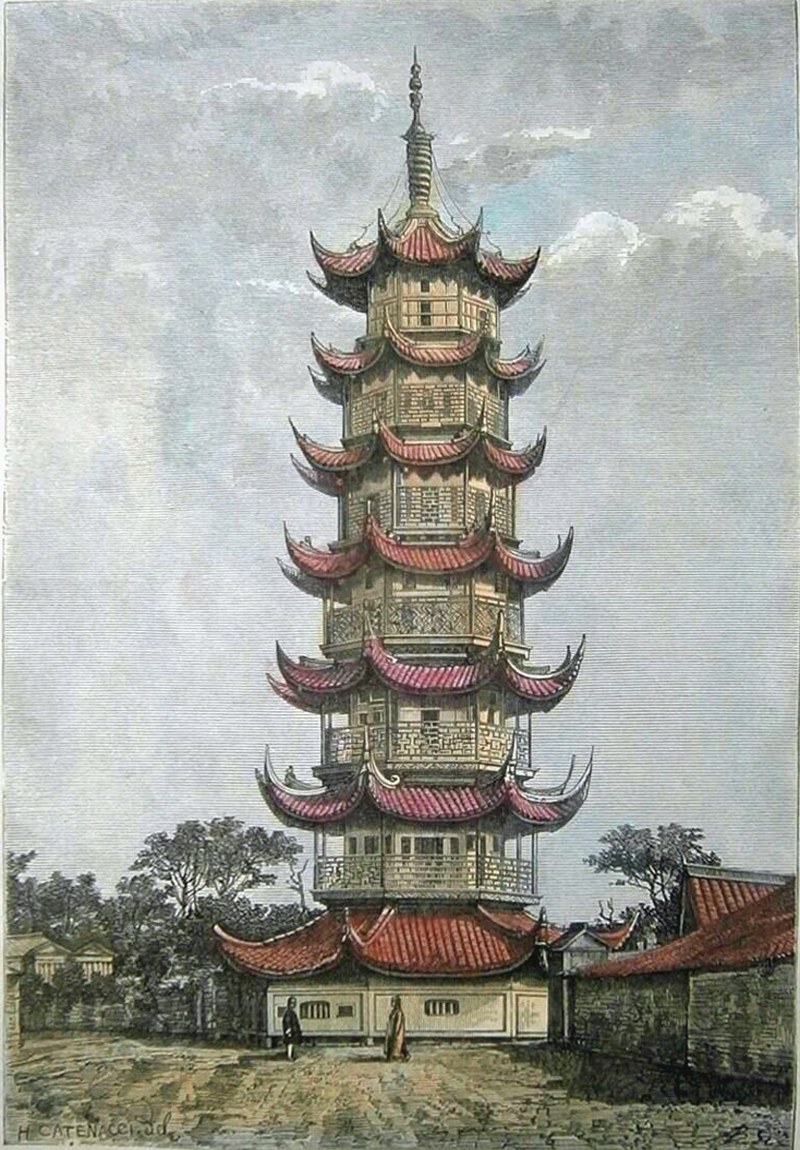
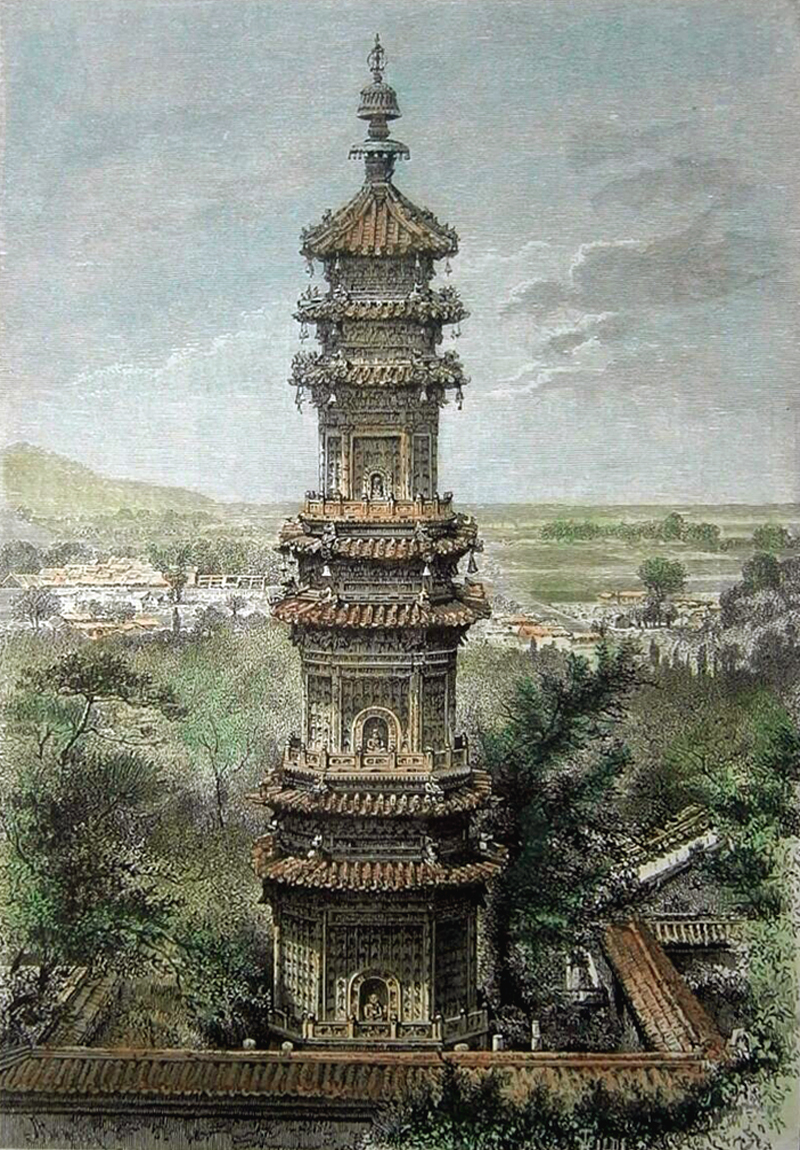
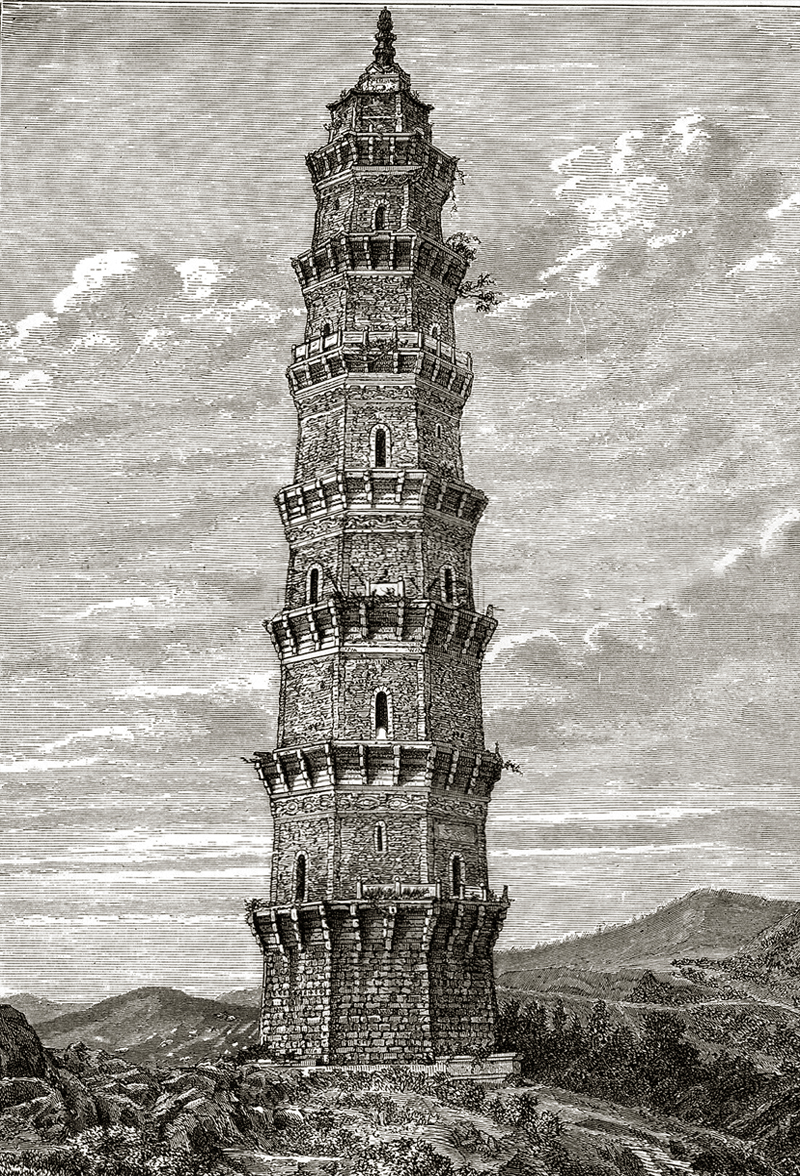
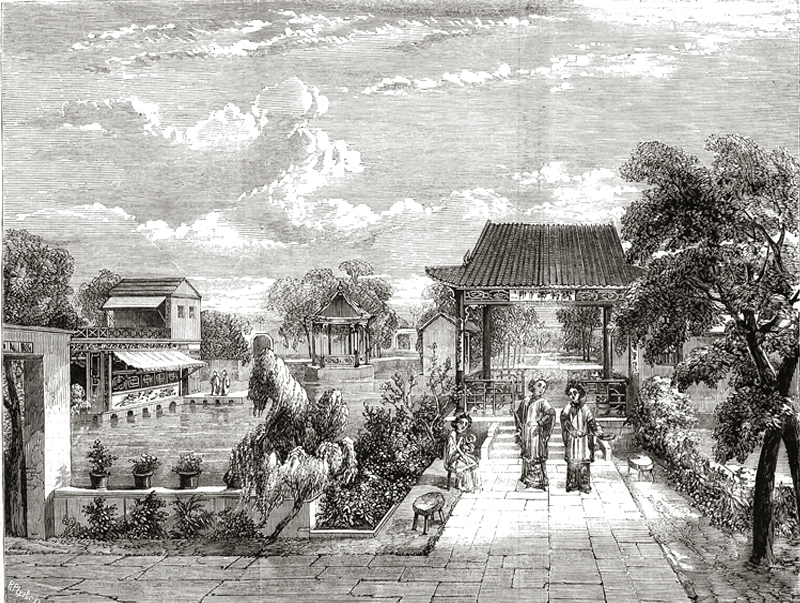


 PHOTO影像